No factory, no machine, no back-room stock. Here is exactly what happens between you saying yes and a parcel arriving.
1
Yarn
Soft cotton for anything that touches skin, wool for winter. Colours are wound into small balls the night before — one ball per piece, so nothing gets mixed up.
2
Hands
One hook, one pair of hands, no patterns bought off the internet. Most designs here were worked out by counting and un-counting until they sat right.
3
Stitches
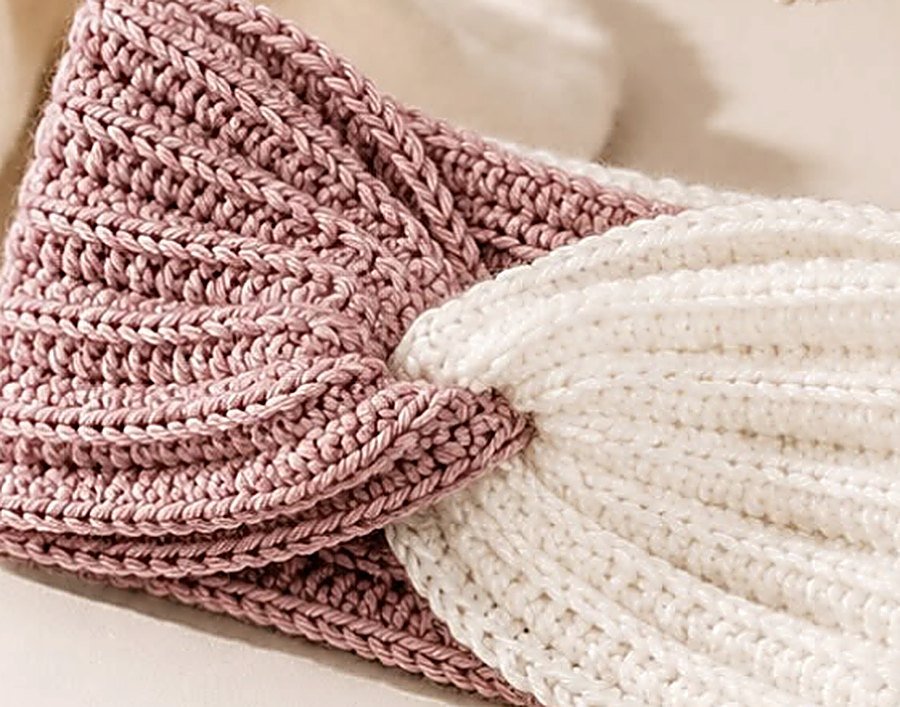
Puff stitch for petals, granny stitch for bandanas, ribbing for ear warmers. Every end is woven back in — nothing is knotted and cut, which is why they survive being worn.
4
The finished thing
Steamed into shape, checked in daylight, photographed, tagged and packed. If it isn't right it goes back on the table instead of into your parcel.
A worked example
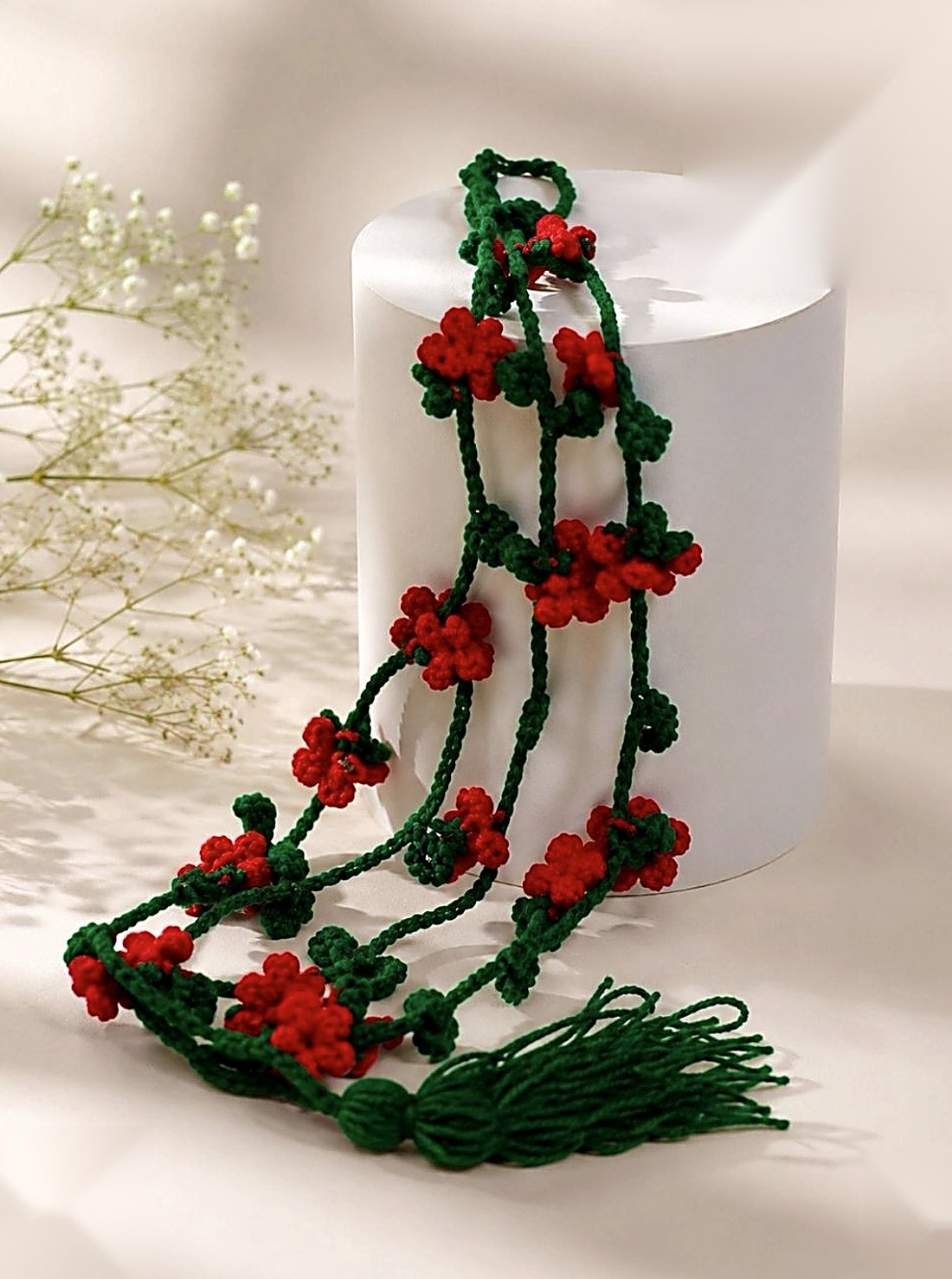
One pirandi, eleven hours
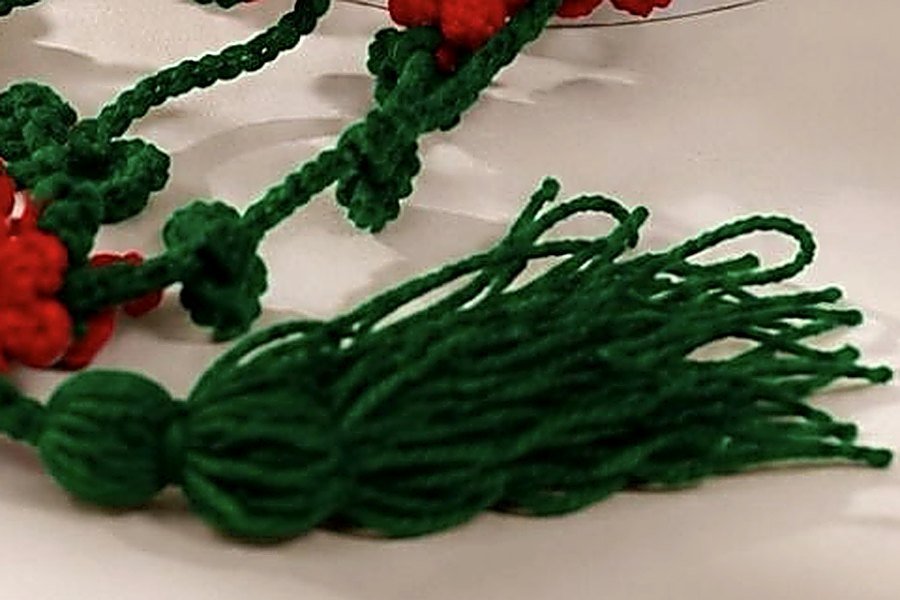
Eighteen roses, each rolled from a strip. Two hundred and forty leaves' worth of chain. A tassel that takes forty minutes on its own. Then the whole thing is laid out flat and measured against a braid before it's called finished.
Roses rolled by hand18
Length when finished34 in
Hours at the hook≈ 11
Machines involved0
Straight answers
Why handmade costs what it costs
You're paying for time
A ₹99 rose pin is about forty minutes. A ₹1,299 muffler is two evenings. The yarn is a small part of the price — the hours are the rest, and they're honest hours.
Nothing is pre-made
Which is why a piece takes days and not hours to ship, and why you can change the colour after you've ordered. It hasn't been made yet.
Small flaws are the point
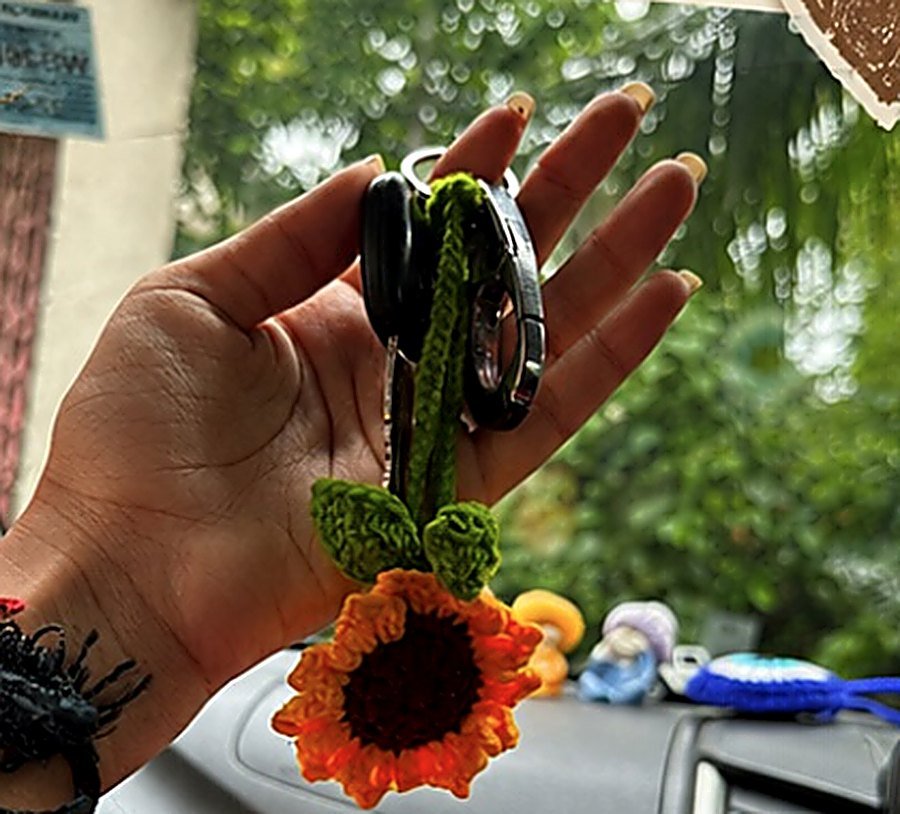
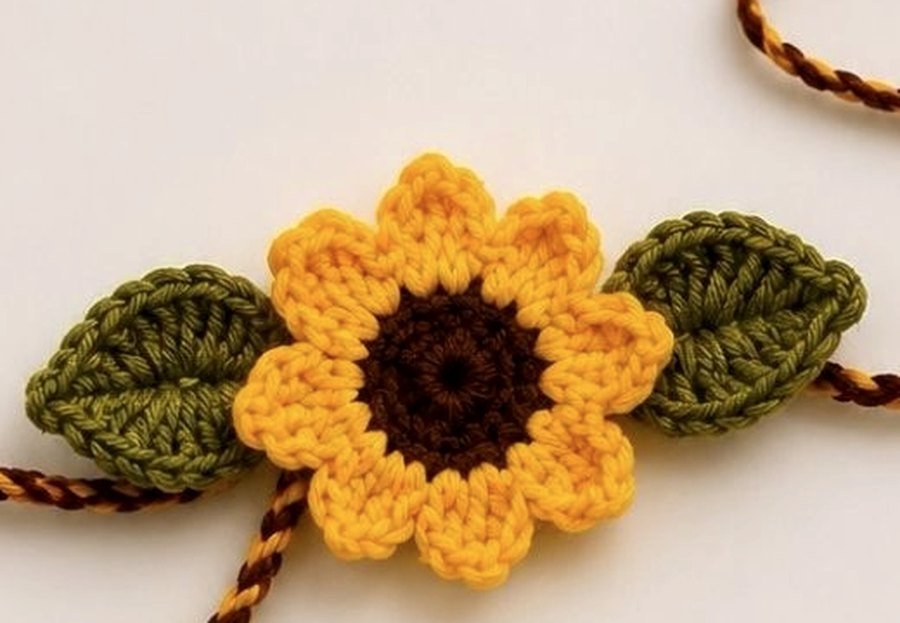
Two sunflowers will never be identical. A petal will sit slightly differently. That's how you know a person made it and not a machine in a warehouse.
It's meant to last
Ends are woven in, not knotted. Elastics are the heavy-duty kind. Pearls are stitched through. Look after it and it outlives most of what's in your drawer.